
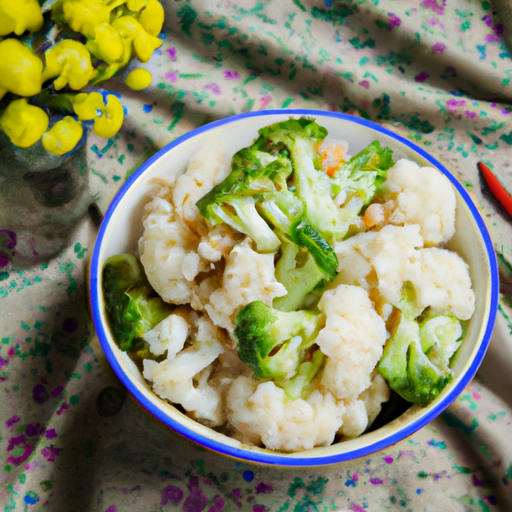
As more and more people turn to healthier eating habits, cauliflower has become one of the most popular vegetables around. Its versatility in cooking and preparation make it an ideal substitute for many high-carb foods such as rice, pasta and potatoes. One of the innovative ways to enjoy this nutritious vegetable is by making cauliflower rice which begs the question: is cauliflower rice healthy?
Cauliflower rice has gained a lot of attention in recent years because it closely resembles traditional white or brown rice both in texture and shape but with a fraction of carbohydrates that ordinary rice contains. This makes it perfect for people who are looking to maintain a low-carb diet or those watching their caloric intake.

Nutritional Benefits
Cauliflower is packed with essential vitamins like Vitamin C, K, B6 as well as folate, pantothenic acid and choline among others. It also contains minerals such as manganese, potassium phosphorus, magnesium and calcium – all of which are critical for maintaining good health.
In terms of macronutrients like protein, fat and fiber content – cauliflower generally amounts to around 2 grams per cup compared to 5-6g per cup found in regular grains such as white/brown rice respectively (source).
So while you may be consuming fewer calories than you would from normal rice portions when eating cauliflower “rice” (which helps keep insulin levels on even keel) — don’t expect much protein nor fats out of your plate!
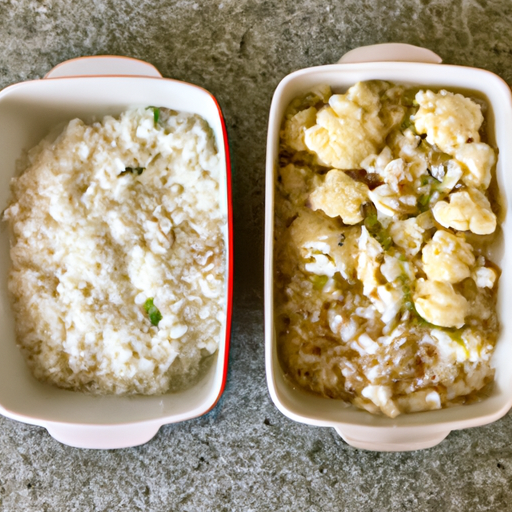
Cauliflower Rice vs Regular Rice
If you’re someone who enjoys traditional carbs like fried rice or stir-fry dishes made with classic grains — switching over completely using only cauliflower “rice” might sound daunting at first; however there’s no need worry because chefs have perfected multiple recipes showcasing this cruciferous veggie!
Using Cauliflower Rice can limit your carbohydrate intake significantly. Normal cooked white/brown variety averages approximately 45-50g of carbs per cup compared to 5-6 grams in cauliflower “rice” (source). Additionally, it’s worth noting that even a small amount of regular rice can have an effect on your #bloodsugar levels.
As mentioned earlier, the high fiber content of cauliflower makes you feel fuller for longer periods thereby curbing binge eating and snacking – something white rice is unable to deliver. Cauliflower also has low glycemic load index(GI) meaning that they increase our blood sugar at a slower rate than traditional grains/rice which leads to less insulin production(which is great news for those with diabetes).
So Why Is It A Contender?
Cauliflower “rice” is certainly a versatile ingredient in terms of replacing starch-based ingredients like potatoes or pasta. In addition to this, it’s estimated by health professionals that up to 60% (or more) people worldwide are lactose intolerant – using cauliflower as a creamy base instead of cream/milk products supports plant-based diets while expanding cooking horizons.
Adapting more recipes utilizing this vegetable could lead to better overall wellbeing — providing both satiation and purposeful nutrient intake when included with other seasonal vegetables or protein sources.
Conclusion
In conclusion, yes — cauliflower “rice” can be considered healthier than traditional grains. As well as being lower calories, carb counts and GI & GL indices; cauliflowers unique nutritional makeup ensures excellent nutrient density profiles fulfilling dietary needs for vitamins minerals necessary for optimal wellness trends/preferences including gut health -it’s overall just easier on/in our digestive system!
Ultimately though — everyone should work out what kind(s) fits their individual flavor preferences/need vs benefit ratios. Whether said ratios lean toward comprehensive swaps/alternatives… or simply adding some roasted florets into daily meals there’s plenty room play within healthy levels!
Cauliflower rice has become a popular alternative to traditional grains, such as white or brown rice, due to its lower carbohydrate content and versatility in cooking. This cruciferous vegetable is highly nutritious with an array of vitamins, minerals, and antioxidants that are beneficial for overall health.
One of the main benefits of cauliflower “rice” is that it contains significantly fewer carbohydrates per serving than regular grains. On average, white/brown rice contains around 45-50 grams of carbohydrates per cup compared to just 5-6 grams found in cauliflower “rice”. For individuals who are trying to limit their carbohydrate intake or maintain a low-carb diet for weight loss purposes, switching to cauliflower rice can be incredibly helpful.
Another advantage of using cauliflower “rice” is its high fiber content, which can help keep you feeling fuller for longer periods and prevent overeating. Fiber also aids digestion by promoting regular bowel movements and supporting gut health. In contrast, traditional grains like white rice lack fiber and do not provide the same satiating effect.
In addition to being a healthier alternative to standard grains, incorporating more cauliflower-based dishes into your diet may also support plant-based eating habits while expanding culinary horizons beyond dairy products. Many people have lactose intolerance worldwide (upwards of 60%), making non-dairy options essential; including creamy bases made from Cauliflower instead milky/creamy ingredients within recipes could diversify both flavors & versatile nutrient profiles offered!
While there are many reasons why someone might choose cauliflower “rice” over traditional grains – ranging from personal taste preferences/sensitivity levels,balanced carb/protein ratios; ultimately finding what works best will require some trial/error determinations – Whether comprehensive swaps/alternatives or simply adding some roasted florets into daily meals there’s plenty room play within healthy levels!