
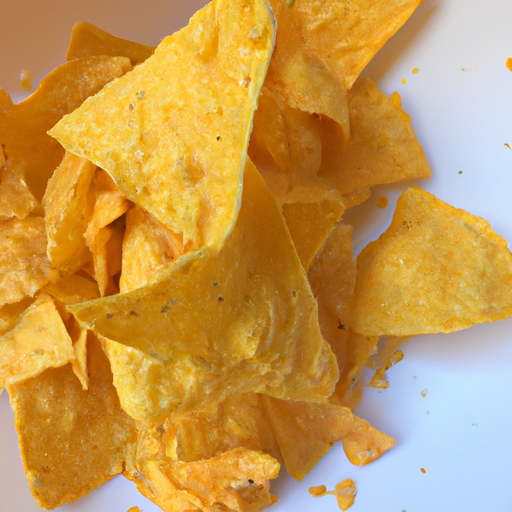
There has been a long-standing debate about whether corn chips are healthy, and the answer is not straightforward. While they can be a tasty snack option, there are various factors to consider in determining their healthfulness.
Corn chips are made from processed cornmeal that is deep-fried or baked until crisp. They come in various flavors, including spicy, plain salted, and cheesy varieties. One of the main issues with these snacks is their high-fat content – around 10 grams of fat per serving (1 oz or approximately 11-13 chips), with roughly half being saturated fats. This amount of fat raises concerns over their impact on heart health and weight gain.
However, not all types of corn chips are created equal – some brands have lower overall fat content and more heart-friendly monounsaturated or polyunsaturated fats instead of unhealthy saturated fats. It’s essential to check food labels when purchasing any type of heavily processed food item like corn chips for this reason.
Another downside to many types of commercialized corn chip products is their high sodium content due to added seasoning mixes containing MSG (monosodium glutamate) – a flavor enhancer commonly used as an additive in many packaged foods. Excessive intake of sodium can lead to hypertension and other cardiovascular diseases such as stroke and heart attacks.
Furthermore, commercially available corn chip brands typically include genetically modified organisms (GMOs). Genetic engineering involves altering DNA sequences by transferring genes between different species resulting in either herbicide-resistant crops or pesticides built into the plant’s genetic material itself which may cause several concerns among people who prefer natural products.
On the flip side, there are some potential health benefits associated with consuming certain types of less processed whole-grain tortilla chip options made from organic non-GMO ingredients without any seasonings containing harmful preservatives like MSG additives seen in many commercial brands’ formulations.
Whole-grain tortilla chips offer excellent nutrition value: they contain fiber known for promoting good digestion and lowering cholesterol levels while also keeping us satiated for longer periods, which can be useful in maintaining weight loss. They are gluten-free, making them suitable for those with wheat allergies or celiac disease.
The high fiber content found in corn chips’ whole grain variety is essential as it passes through the digestive system intact without being broken down by enzymes much like other carbohydrates such as sugars do when they enter your stomach resulting in an eventual blood sugar crash once they reach the liver.
Moreover, corn chips that use non-hydrogenated oils to fry their products minimizes the negative effects of consuming large amounts of unhealthy fats present at commercial establishments. Non-hydrogenated vegetable oil would lead to rancidity within a short period; therefore, processing companies hydrogenate these oils and create trans-fats instead.
In conclusion, answers to questions about whether corn chips are healthy aren’t always black or white. It depends on factors such as type of chip (whole-grain or not), flavorings (MSG free seasoning mix), fat content (monounsaturated vs saturated fats), serving size per sitting, and preservatives used during production processes. One can make better choices by going organic when possible while checking labels for harmful ingredients like MSG and avoiding ones containing genetically modified organisms(GMOs) while buying naturally sourced snacks such as those using olive oil rather than hydrogenated vegetable oil often seen with their less healthy counterparts available widely commercially.
Corn chips have long been a favorite snack among many people, but their healthiness has always been a topic of debate. This article aims to provide an expert analysis of the various factors that determine whether corn chips are healthy or not.
Firstly, it’s important to understand what corn chips are made of: processed cornmeal that is deep-fried or baked until crisp. They come in different flavors like spicy, plain salted and cheesy varieties. One of the main concerns with these snacks is their high-fat content – around 10 grams per serving (1 oz or approximately 11-13 chips), with almost half being unhealthy saturated fats. The amount of fat raises concerns about their impact on heart health and potential weight gain.
However, not all types of commercialized corn chip products are created equal – some brands have lower overall fat content and more heart-friendly monounsaturated or polyunsaturated fats instead of saturated fats. It’s essential to check food labels before purchasing any type of heavily processed food item like corn chips for this reason.
Another downside to many types of commercially available corn chips is their high sodium content due to added seasoning mixes containing MSG (monosodium glutamate) – a flavor enhancer commonly used as an additive in many packaged foods. Excessive intake can lead to hypertension and other cardiovascular diseases such as stroke and heart attacks.
Furthermore, most commercialized brands typically include genetically modified organisms (GMOs). Genetic engineering involves altering DNA sequences by transferring genes between different species resulting in either herbicide-resistant crops or pesticides built into the plant’s genetic material itself which may cause several concerns among people who prefer natural products.
On the flip side, certain types of less processed whole-grain tortilla chip options made from organic non-GMO ingredients without any seasonings containing harmful preservatives like MSG additives seen in many commercial brands’ formulations offer excellent nutrition value: they contain fiber known for promoting good digestion and lowering cholesterol levels while also keeping us satiated for longer periods, which can be useful in maintaining weight loss. They are gluten-free, making them suitable for those with wheat allergies or celiac disease.
The high fiber content found in corn chips’ whole-grain variety is essential as it passes through the digestive system intact without being broken down by enzymes much like other carbohydrates such as sugars do when they enter your stomach resulting in an eventual blood sugar crash once they reach the liver.
Moreover, using non-hydrogenated oils to fry products minimizes the negative effects of consuming large amounts of unhealthy fats present at commercial establishments. Non-hydrogenated vegetable oil would lead to rancidity within a short period; therefore, processing companies hydrogenate these oils and create trans-fats instead. Consuming trans-fats increases LDL cholesterol levels leading to health problems related to vascular disease over time.
In conclusion, whether corn chips are healthy or not depends on factors such as type of chip (whole-grain or not), flavorings (MSG free seasoning mix), fat content (monounsaturated vs saturated fats), serving size per sitting and preservatives used during production processes. One can make better choices by going organic when possible while checking labels for harmful ingredients like MSG and avoiding ones containing genetically modified organisms(GMOs) while buying naturally sourced snacks such as those using olive oil rather than hydrogenated vegetable oil often seen with their less healthy counterparts available widely commercially.