
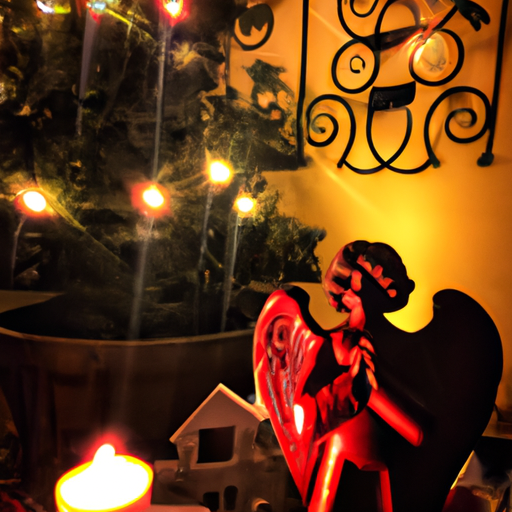
Christmas is celebrated around the world as a time of joy, generosity, and tradition. Every year on December 25th, people exchange gifts and gather with loved ones to enjoy holiday meals and festivities. But when was Christmas invented? Did it always have the same meaning and traditions that we associate with the holiday today?
The origins of Christmas can be traced back to ancient pagan celebrations of the winter solstice, which falls on December 21st or 22nd in the Northern Hemisphere. In many cultures, this was a time to honor the rebirth of light after the longest night of the year. People lit candles or bonfires to symbolize hope for an end to darkness and cold.
Although there are some similarities between these pre-Christian holidays and modern-day Christmas, such as gift-giving and feasting, there were also significant differences in their customs and beliefs. One example is Saturnalia, a Roman festival held from December 17th to 23rd each year in honor of Saturn, god of agriculture.
During Saturnalia, which existed centuries before Jesus Christ was born (estimated around 217 BCE), homes were decorated with greenery like holly leaves as homage toward this celebration’s agricultural roots. The exchange of gifts at Saturnalia ranged from gag presents/mock-style banishments among friends/family members; slaves got treated kindly too- given freedom so that they may celebrate it too.

Christian influences
It wasn’t until several centuries later that Christian leaders began associating Jesus’ birth date on Decmeber ultimaely leading towards ultimate transformation into contemporary christmas celebrations later adopted by Western Europe/ America regions these days!
In biblical accounts “no mention” is made about when exactly he would have been born but Christmas started gaining traction around fourth century CE onwards because it borrowed elements from various other religious/cultural practices such as:

1)Yule-log burning rituals & Boxing Day by Norse/Viking people
2) Gift-giving to needy by another saint, St. Nicholas
The merging of previously pagan and Christian celebrations was the result of a desire among early Christians to spread their faith and create unity among diverse cultures.
Although it may seem that Christmas has always been celebrated in the same way as we know it today, there have been numerous changes over time in its customs and traditions. For example, many parts of Europe once had a tradition called “wassailing,” which involved carolers going door-to-door singing songs as they passed around a bowl of spiced ale or cider.
However, this practice was largely banned during the Protestant Reformation in the 16th century because some religious leaders saw it as promoting drunkenness and disorder.
In addition to these evolving customs, there have also been shifts in how different countries celebrate Christmas. In Ireland /Eire , for instance- ‘Little People’ are believed to make magical appearance…while Americans enjoy indulging on what is famously dubbed “Black Friday”
Conclusion
For all its rich history & traditional roots (expectedly mellowed down with commercialisation over years) ; one thing’s stayed constant over centuries—people together share memories/moments/meal & most importantly exchanging love along with respect towards hope/faith/belief- boundless wonder truly making Christmas spirit alive!!!
Christmas is a holiday that has been celebrated around the world for centuries as a time of joy, generosity, and tradition. While we often associate the holiday with gift-giving and feasting, its roots go back to ancient pagan celebrations of the winter solstice.
In many cultures, this was a time to honor the rebirth of light after the longest night of the year. People lit candles or bonfires to symbolize hope for an end to darkness and cold. However, there were significant differences in customs and beliefs between these pre-Christian holidays and modern-day Christmas.
It wasn’t until several centuries later that Christian influence began merging with pagan practices. Early Christians saw it as an opportunity to spread their faith while creating unity among diverse cultures. This led ultimately towards transformation into contemporary Christmas celebrations which are followed by most western countries around entire world famous for lights and cheer.
Despite having origins rooted deep in history books & different cultural beliefs/practices; Christmas’s essence has remained consistent over time -bringing together people across borders/beliefs/families.. who share love/hope/peace with each other…and thats what makes it so special!