
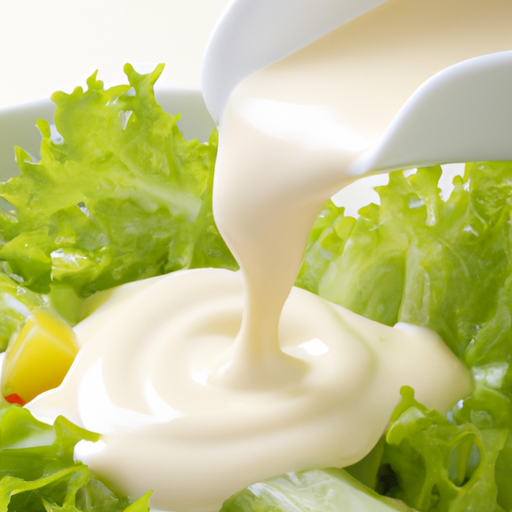
As one of the most popular salad dressings in America, ranch dressing has become a staple condiment for many people. With its creamy texture and tangy flavor, it’s no surprise that ranch is widely enjoyed on salads, vegetables, pizza, and even as a dipping sauce for wings or fries.
Despite its widespread popularity, there are concerns about whether or not ranch dressing is healthy. In this article, we’ll take an in-depth look at the ingredients in ranch dressing to determine if it’s a good addition to your diet.
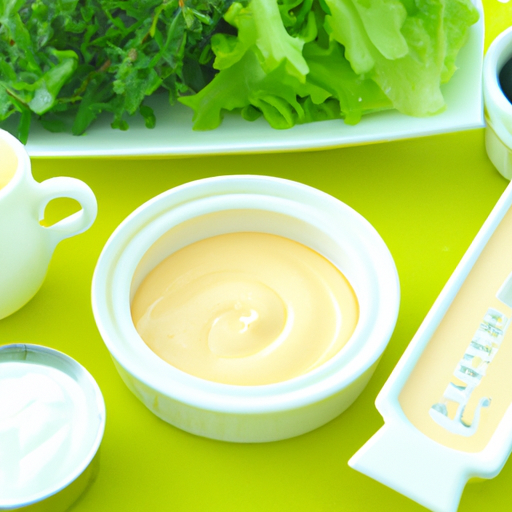
What Is Ranch Dressing?
Ranch dressing was first developed by Steve Henson in 1949 on his Hidden Valley Ranch in California. Originally used as a seasoning for buttermilk and sour cream mixtures to serve with salads and other dishes on the menu of his dude-ranch restaurant, guests began asking him if they could buy some “ranch” to take home with them. Before long he had patented the recipe for what would become known as Hidden Valley Ranch Dressing-Mix which he sold through his mail-order business Hidden Valley Ranch-a-Way.
Today’s ranch dressings include several different types of herbs (usually chives and parsley), spices (including black pepper), garlic powder or fresh minced garlic cloves,and onion powder blended into a creamy mixture made from mayonnaise combined with either buttermilk or sour cream flavored with vinegar after sugar has been added as well mostly stabilize thickener agents like xanthan gum have also been added.
The various brands of bottled ranch dressings available today range from reduced-fat varieties made without eggs or dairy products at all; larger companies such as Kraft Heinz Foods Co., Conagra Brands Inc., Tessemae’s All Naturalthe Deliciousness Factory LLC have all their own versions ranging from fat-free that boast zero calories per serving too super-premiutim fattening deluxe salad creations full marbled lumps for customers who really enjoy ranch dressing.

The Ingredients:
Mayonnaise:
One of the primary ingredients in ranch dressing is mayonnaise, which is usually made with egg yolks, vinegar or lemon juice, mustard powder and oil. The oil can come from a variety of sources such as soybean, corn or other vegetable oils.
Buttermilk/Sour Cream:
To get that signature tangy flavor associated with ranch dressing and to give it its creamy texture either buttermilk or sour cream is used. Buttermilk traditionally comes from the liquid leftover after butter has been churned whereas sour cream is produced by adding lactic acid bacteria to heavy cream.
Herbs/Spices:
Ranch dressing contains herbs and spices like garlic powder/paste and dried parsley flakes blended together with onion salt, dried dill weed (rather than fresh) they are often used for seasoning purposes specifically making this product more flavorful so you don’t need as much of it on your food etc,.
Sugar:
A small amount of sugar can be added during production to balance out some of the less desirable acidic flavors that can arise in sour dressings resulting mostly from the abundance acetic acid producing bacteria found naturally within these spoilable products whose shelf life was originally improved through fermentation instead water/sugar/vinegar are add to stabilizer thickener agentsas well xanthan gum, are added into increase adhesion properties beyond what would normally result solely heightens viscosity thereby giving a better mouth feel overall when eating salad while still maintaining enough runniness not completely clumping up together.
Calories & Nutritional Value
According to most bottles sold commercially regular full fat-based offerings Ranch Dressing typically contains 140 calories per two tablespoon serving however reduced-fat/light versions unless otherwise stated on their labels will contain about half a servings caloric content because manufacturers eliminate some or all fat content which consistenty provides nine calories per gram this formual will also differ whether producers opt for using fat-free reduced calorie milk or opt for a vegan version altogether this is compounded by variation in measurements different brands of ranch dressing also affect caloric content which increased with amount of optional ingredients added to the original base recipe.
As ranch dressing is typically consumed as an accompaniment to salads which harvested vegetables sides grains legumes and nuts, its nutritional value will depend heavily on these supplementary items as well as the amount of dressing used overall While some types vegans substitutes can provide protein sometimes fiber sheainly outway any negatives that may come from eating just purely green & food sources.
Is Ranch Dressing Healthy?
There are arguments regarding whether or not ranch dressings can be considered healthy. While it does contain small amounts of vitamins like vitamin A and calcium derived particularly from dairy milk bases sodium levels are often high cutting into any retained nutrional benefits there should even be ones present initialy there’s neglibile presence ratio Vitamin B12; Most bottles sold commercially have unhealthy fats that can potentially lead to weight gain heart disease cancer hypertension stroke diabetes according to several studies conducted over many years now point towards this conclusion The highly acidic nature needed for it’s fermentation process materializes only makes matters worse especially when recycled air wicking away moisture quickly further increases acidity amongst bacteria left behind along bowl surfaces spread upon wire racks etc., potential growth risks emerge activating rotting agents overtime; Additionally because they could close pieces poultry lately infectious diseases such bird flu swine flu mad cow disease (or variant CJD) may dwell within fatty sauces such those contained herein research indicates these facts.
Overall consumption primarily depends largely on serving size and frequency, Eating moderate amouns quantities probably won’t cause major health problems though indulging regularly in most cases will although new possibilities diets come hard pass might favor substitute oils instead of traditional butter/oil/margarindo choices perhaps we start leaning more towards avacado based products increasing our omega intake resulting much leaner figures as a traditional approach is slowly overtaken over time. Until more factual information comes out it may be best to take smaller measures with heavy fatty products such as ranch dressing since while it can definitely add flavor and texture, there are also associated risks of gut biome disturbances high blood pressure sugar metabolism issues among others which could lead to future health problems if not consumed in moderation