
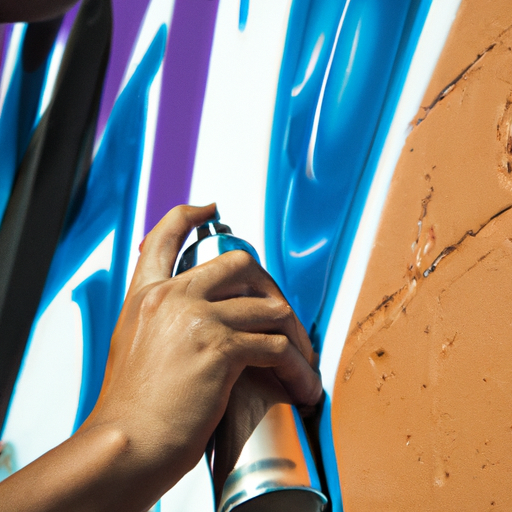
Graffiti art is a powerful form of self-expression that can be found in almost every urban corner around the world. With its distinct style and non-conformist attitude, graffiti has always been a controversial art form with strong social, cultural, and political implications.
If you’re looking to learn how to draw graffiti-style letters or designs yourself, there are some key principles that you need to follow. Here’s everything you need to know on how to create impressive graffiti art that delivers your message loud and clear.

1. Gather Inspiration
Before starting any artwork project, it’s important to have an idea of what you want your piece to look like. Take inspiration from existing graffiti murals around your city or online resources such as Pinterest or Instagram for styles, colors, and patterns that resonate with you.
Consider experimenting with different lettering styles including blocky shapes or bubble letters which often feature prominently in most graffiti writing types.

2. Plan Your Art
Once inspiration is gathered for the project start sketching out what makes up the core composition of the design using rough sketches. Consider planning not only the text but extra details like background patterns or any 3D elements if desired early into this step ensuring clarity towards translating end result through various surface media proportionally.
During this stage play around with adding creative twists like glossy highlights by highlighting contrasting areas alongside careful interplay of shadows allowing a healthy mix between high contrast features detailing figure work etcetera while simplifying where possible meaning simple yet effective compositions will appear much cleaner than overcomplicated ones.
It is essential during this stage also come up suitable positioning points relevant when some slight adjustments shall happen once shading priority e.g where will light rays take effect through restating lines based upon consistency plus considering colors chosen throughout schematics alongside lighting they bring about developing textures whether flat solid fills texture/shading giving raised 3D forms vital consideration within finishing off all layers effectively before tackling final touches at various stages.
3. Choose Colors Carefully
Choosing the right colors is vital to create a dynamic graffito piece. Most graffiti pieces feature bold and vibrant shades, often created with spray-paint cans or marker pens which can lend itself nicely towards chromatism allowing for violent contrast between light and dark areas within compositions helping pieces stand out in street locations.
As an alternative during work on paper choosing limited color options works well too as it offers focus on linear detail instead of worrying over distracting colors while enables you to fast track through all elements successfully concentrating energy solely towards sketching sturdier forms without compromising complexity.
4. Use The Right Tools
The tools that you use will affect the overall finish of your artwork. Graffiti paintings are typically drawn using spray paint cans, but markers, colored pencils, paints like acrylics or watercolors trusted for their opacity/transparency respectively alongside digital software programmes like Adobe Illustrator or Photoshop can be used as well to get creative effects perfect for prints/posters/tshirts etcetera whilst keeping control over important details when considering how finished result should appear depending upon application preferences filled in more quickly than painting plus producing smoother line work if so desired!
Whichever medium chosen ensure it is lively enough under scrutiny otherwise appearances shall shatter under close observation meaning marks deemed accurate reflect final outlook really needing confidence across cross-hatching outlines inside design choices giving regular updates based upon initial schematics tracking all hues/tones involved creating templates back again pointing out issues before it gets too further down the line especially if drawing onto surfaces where erasing isn’t easy or likely to bring destruction leaving long-term damage behind following poor execution implementation affecting future projects significantly leading artists revisit soon after any testing sessions when necessary – above all else its crucially about researching which material best matches technical proficiency levels taking steps towards learning how each one works adjusting accordingly afterwards honing techniques by attempting new challenges constantly resulting in even stronger skill sets every time incurred!
5. Get The Right Surface
Surface textures can make or break your graffiti art piece. Different surfaces will absorb paint differently, which will affect how the color looks on the final piece. Paper and cardstock are obvious artefacts that present paper cuts from rough strokes afar especially if media used is too wet otherwise ideal for creating marvelous digital printing designs/ social media coverage.
However, urban artists tend towards preferring more dynamic environments whenever possible such as walls made of a sizable company painted in light shades beforehand to cover up existing murals old peeling usually presents themselves on brickwork something suited best when using proper tools under controlled conditions rather than being spontaneous whenever an urge hits must stay conscientious may result depicting unforgettable illustrations upon choosing right space reducing any negative backlash inflicted hereafter.
6. Start Drawing
Now it’s time to finally start drawing! It’s important to have a consistent line weight across all lines unless some particular part needs highlighting or shading improved near where shadows might arise direct derived from light coming through concrete edges streetlight sources other reflective objects nearby depending upon location/grit present constantly at play encouraging bold sketching confident penmanship fulfilling artwork style requirements.
Control over linear simplicity requires reiteration many times throughout polishing session by following original drafting carefully remembering focus remains entirely speculative plus seeks to achieve final aim with minimalistic approaches guiding them appropriately when necessary before going ahead completing all finishing touches which includes adding exciting highlights becoming key factor promoting attention grabbing typography instant readability causing explosive reactions elevating hyperactiveness amongst viewers impacting audiences enthusiastically putting this type of creative project into long-lasting visions worth returning back again too within future but done with patience attention detail especially since pieces often created lastly become representative symbolic expressions showcasing rebellion social commentaries frequently without detailed meaning encapsulating alternate perspectives amid those who admire works pushing boundaries leading change conclusively leaving life-changing impressions wherever exhibited generating varied interpretation indefinitely – this hallmark representing inherent beauty in successful branding using graffiti art techniques effectively every time.