
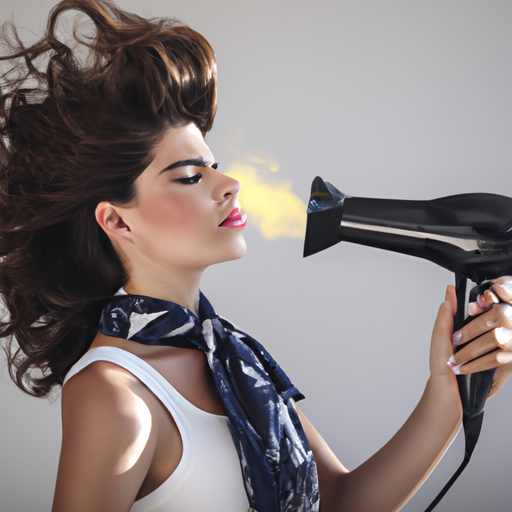
Blow dryers, also known as hair dryers, are an essential tool for many people when it comes to styling their hair. They operate by blowing hot air onto wet or damp hair, thus helping to dry the strands and achieve a desired look.
One common question that consumers often ask is how hot blow dryers get. This is important to know because excessive heat can damage the hair and cause it to become frizzy or brittle over time.
To understand how hot blow dryers get, we must first examine the various components of these devices. Typically, a basic blow dryer will consist of a heating element (usually made of metal), a motor that powers the fan which circulates air through the unit, and various settings such as temperature control and speed.
In order for heat to be generated by the blow dryer’s heating element, an electrical current must pass through it – this is achieved via a circuit built into the device itself. The amount of heat produced will depend on several factors:
1) Wattage – The higher the wattage rating of your blow dryer, generally speaking, the hotter it will get. This is because more power equates to more energy being delivered to heat up your hair.
2) Heating Element Material – Most commonly used materials are nichrome wire and ceramic plates; both can produce intense levels of heat when proper voltage flows across them due their resistance properties.
3) Airflow – While not directly related to temperature output per se, airflow velocity does play a role in determining how quickly your hair dries under hot conditions; if you want faster results from lower temps then opt for models with powerful motors/fans capable of pushing out large volumes at high speeds
4) Control Settings – Many newer models come equipped with variable temp controls designed give users greater precision over how much heat they’re applying; relying solely on manual adjustments means risking scorching strands or overheating scalp areas where sweat glands tend congregate.
The most common temperature settings found on blow dryers are high (typically around 140-150°C) and low (100-110°C), with some models offering medium or “warm” modes as well. Some advanced models come with thermostats or sensors that can automatically regulate heat output based on the hair type, thus minimizing risk of overheating/damage regardless of whether one’s styling thick/certain ethnic hair types vs finer locks.
It is important to note that while high temperatures may dry your hair faster, they are not necessarily better for it – in fact, extended exposure to excessive heat can lead to long-term damage such as split ends or even scalp burns if used too close for prolonged periods of time; always follow instructions provided by manufacturers and avoid directing hot air towards sensitive areas like eyes/ears/nose in interest of safety.
Overall, blow dryers have certainly evolved since their inception into a stylist’s tool kit all those years ago; technological advancements continue pushing boundaries ensuring optimum care is rendered whilst achieving desired end results.
So how hot does a blow dryer get? The answer will depend on the specific model you are using as parameters vary often amongst different brands & lines thereof.. To maximize benefit from your purchase carefully consider choosing a unit which offers suitable wattage combined with quality materials/components so longevity/maintenance efforts remain minimal over time.
Blow dryers, also known as hair dryers, have become an essential tool for many people when it comes to styling their hair. These devices operate by blowing hot air onto wet or damp hair to help dry the strands and achieve a desired look.
One common question that consumers often ask is how hot blow dryers get. This is important to know because excessive heat can damage the hair and cause it to become frizzy or brittle over time.
To understand how hot blow dryers get, we must first examine the various components of these devices. Typically, a basic blow dryer will consist of a heating element (usually made of metal), a motor that powers the fan which circulates air through the unit, and various settings such as temperature control and speed.
In order for heat to be generated by the blow dryer’s heating element, an electrical current must pass through it – this is achieved via a circuit built into the device itself. The amount of heat produced will depend on several factors:
1) Wattage – The higher the wattage rating of your blow dryer, generally speaking, the hotter it will get. This is because more power equates to more energy being delivered to heat up your hair.
2) Heating Element Material – Most commonly used materials are nichrome wire and ceramic plates; both can produce intense levels of heat when proper voltage flows across them due their resistance properties.
3) Airflow – While not directly related to temperature output per se, airflow velocity does play a role in determining how quickly your hair dries under hot conditions; if you want faster results from lower temps then opt for models with powerful motors/fans capable of pushing out large volumes at high speeds
4) Control Settings – Many newer models come equipped with variable temp controls designed give users greater precision over how much heat they’re applying; relying solely on manual adjustments means risking scorching strands or overheating scalp areas where sweat glands tend congregate.
The most common temperature settings found on blow dryers are high (typically around 140-150°C) and low (100-110°C), with some models offering medium or “warm” modes as well. Some advanced models come with thermostats or sensors that can automatically regulate heat output based on the hair type, thus minimizing risk of overheating/damage regardless of whether one’s styling thick/certain ethnic hair types vs finer locks.
It is important to note that while high temperatures may dry your hair faster, they are not necessarily better for it – in fact, extended exposure to excessive heat can lead to long-term damage such as split ends or even scalp burns if used too close for prolonged periods of time; always follow instructions provided by manufacturers and avoid directing hot air towards sensitive areas like eyes/ears/nose in interest of safety.
Overall, blow dryers have certainly evolved since their inception into a stylist’s tool kit all those years ago; technological advancements continue pushing boundaries ensuring optimum care is rendered whilst achieving desired end results. To maximize benefit from your purchase carefully consider choosing a unit which offers suitable wattage combined with quality materials/components so longevity/maintenance efforts remain minimal over time.